
Cybersecurity News
Filters
Filtered by tag: artificial intelligence × Clear

AI is making cyber threats faster, but trust will define which businesses survive
AI is accelerating cyber threats by surfacing forgotten digital vulnerabilities, giving attackers faster, more sophisticated tools. But beyond technical defenses, businesses face a deeper challenge: maintaining customer trust. Companies that respond transparently to breaches and demonstrate genuine commitment to data protection will be better positioned to survive than those relying on security measures alone.

AI agents are inside the enterprise – are your security foundations ready for them?
As AI agents gain autonomous access to enterprise systems, data, and workflows, traditional software-level security measures are proving insufficient. Experts argue that organizations need hardware-level security foundations — including secure enclaves, trusted execution environments, and hardware attestation — to reliably verify agent identity, protect sensitive data, and prevent manipulation or compromise of increasingly autonomous AI systems.
Bad news: your AI application isn't that special
Venture capitalists and tech observers warn that most AI-powered applications lack defensible advantages. As foundation models improve and become cheaper, thin wrappers around tools like ChatGPT face commoditization. Businesses building on top of AI without proprietary data, unique workflows, or deep integration risk being undercut by the model providers themselves or by better-funded competitors.
CBA bolsters AI investment as business lending sees major growth
Matched: Australia
CBA reported strong full-year results with business lending growing nearly twice as fast as home lending. The bank also announced increased investment in artificial intelligence as part of its broader strategy. No specific figures were provided in the headline details, but the results signal a notable shift in lending momentum toward commercial customers.

Superannuation peak body calls for advice reform as Aussies increasingly turn to AI over experts
Matched: Australia
Australia's superannuation peak body is calling for financial advice reform after a survey found more than a third of Australians have turned to AI chatbots for superannuation guidance. High costs are driving people away from professional advisers. The body warns this trend poses risks, as AI tools may not provide accurate or personalised financial advice, and is urging reforms to make expert advice more affordable and accessible.

Most lenders are using AI, yet only 3% are data ready
Matched: Australia
A study has found that while most Australian lenders are actively implementing AI, only 3% have the data infrastructure needed to support it effectively. The findings highlight a significant gap between adoption ambition and operational readiness, raising concerns that lenders are deploying AI tools without the foundational data quality and governance required for reliable outcomes.
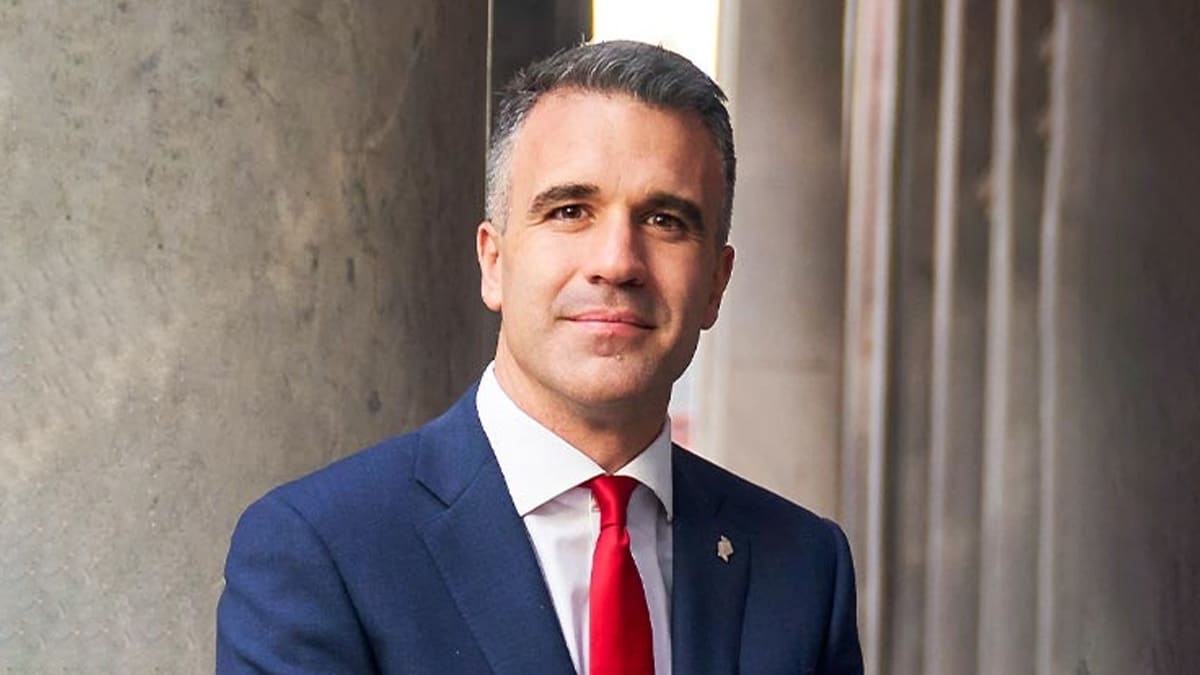
Artificial intelligence: South Australian Premier announces Royal Commission into AI
Matched: Australia
South Australian Premier Peter Malinauskas has announced a Royal Commission into artificial intelligence, saying the technology requires a "serious policy response." The announcement follows a US visit during which Malinauskas met with OpenAI. The commission is intended to examine the implications of AI and help shape the state's response to the rapidly developing technology.
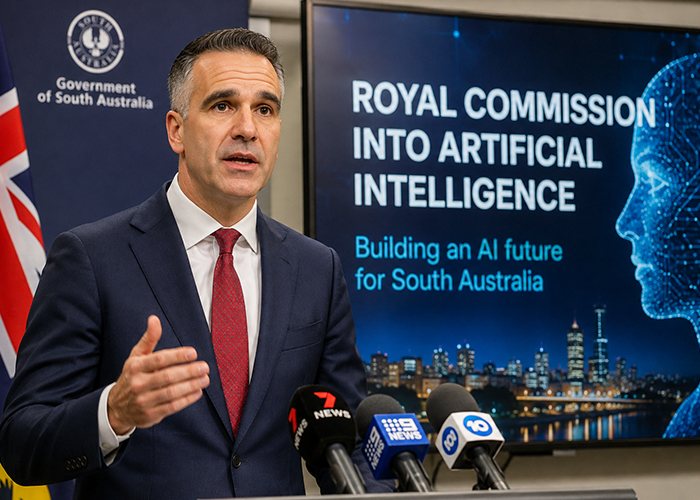
South Australia launches Royal Commission into artificial intelligence
Matched: Australia
South Australia is establishing a Royal Commission into artificial intelligence, announced by Premier Peter Malinauskas. The inquiry will examine how rapidly advancing AI technology will reshape society, making it a significant formal investigation into the issue.
Experian research flags AI-data readiness gap among Australian lenders
Matched: Australia
Australian lenders are rushing to adopt AI for credit and fraud risk, but many say their data infrastructure isn't ready to support it, according to new Experian research. The findings point to a gap between deployment ambitions and data quality, with institutions potentially exposing themselves to risk by implementing AI systems before the foundational data requirements are in place.
Cyber incidents hit 71% of Australian organisations as AI reshapes the threat landscape, MinterEllison report
Matched: Australia
Seven in ten Australian organisations suffered a cyber incident in the past year, according to MinterEllison's latest cyber risk report. AI is increasingly reshaping the threat landscape, enabling more sophisticated attacks. The findings highlight growing pressure on organisations to strengthen defences as incident rates reach record levels.

Australia’s use of AI is growing faster than its foundations
Matched: Australia
Australia's AI adoption and spending are increasing rapidly, but the country risks undermining its returns by neglecting foundational elements. Experts warn that gaps in data quality, governance frameworks and clear accountability structures could limit AI's effectiveness. Without addressing these underlying issues, organisations may struggle to realise the full benefits of their AI investments despite growing enthusiasm for the technology.
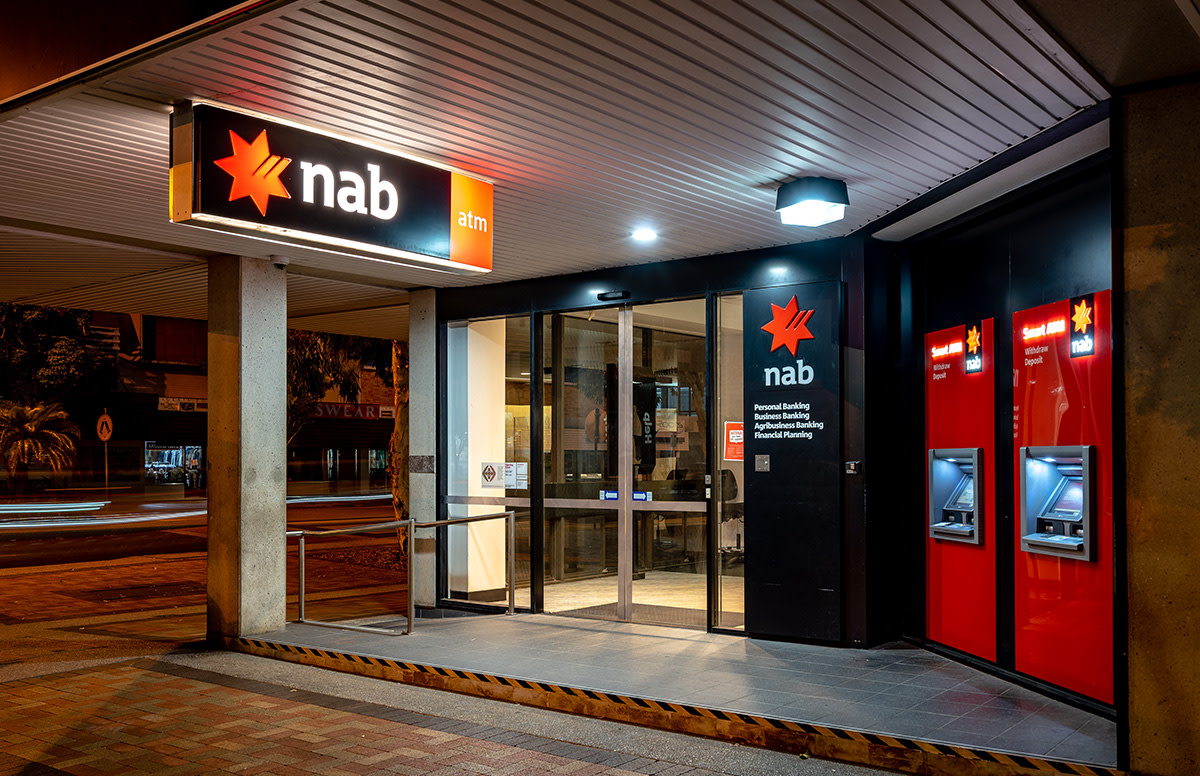
NAB to begin testing of agentic AI for customers
Matched: Australia
NAB will begin testing an agentic AI platform for its lending operations. The system would allow AI to autonomously complete multi-step tasks on behalf of customers, such as gathering documents and progressing loan applications. The bank said the technology could significantly reduce processing times, though it emphasised human oversight would remain part of the process.
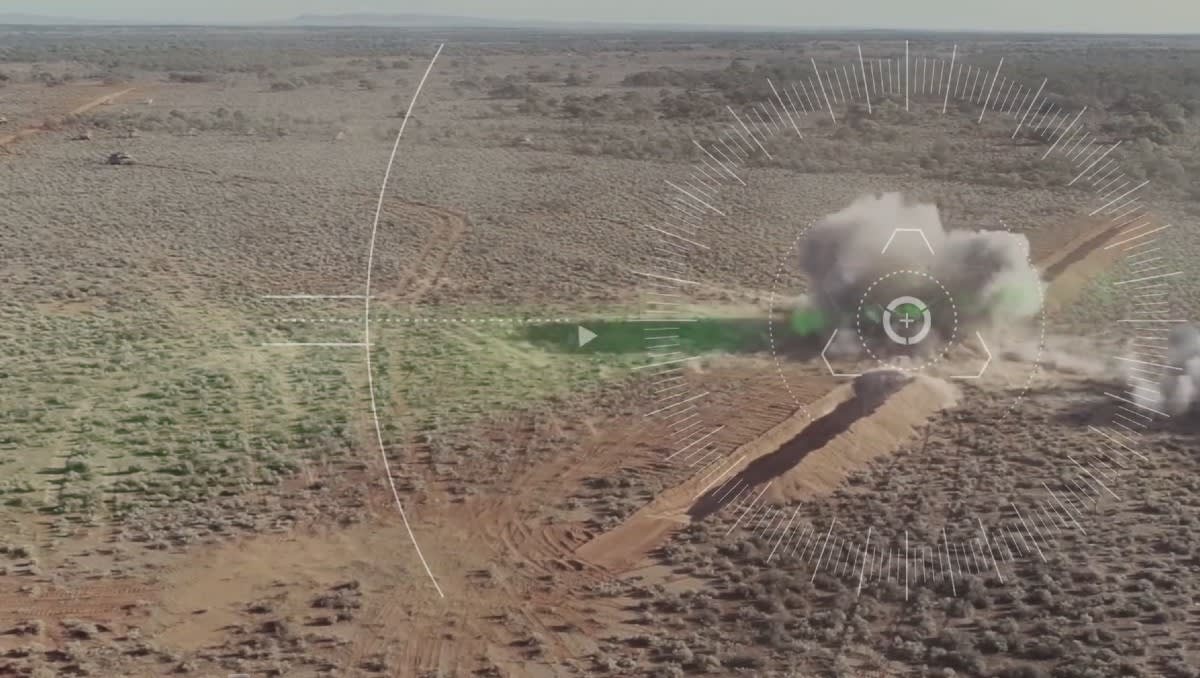
Artificial intelligence a key area of Australia’s 2026 Defence Innovation, Science and Technology Strategy
Matched: Australia
Australia has released a ten-year Defence Innovation, Science and Technology Strategy, positioning artificial intelligence as one of six priority capability areas. The blueprint aims to guide defence-related research and development investment through 2026 and beyond, reflecting growing recognition of AI's strategic importance to national security and military modernisation.
ASPI launches AI and Security Program to tackle national security challenges
Matched: Australia
Australia's Strategic Policy Institute has launched an AI and Security Program to research how artificial intelligence affects national security. The program will focus on cyber threats, critical infrastructure protection, defence sector AI adoption, and international AI governance frameworks.
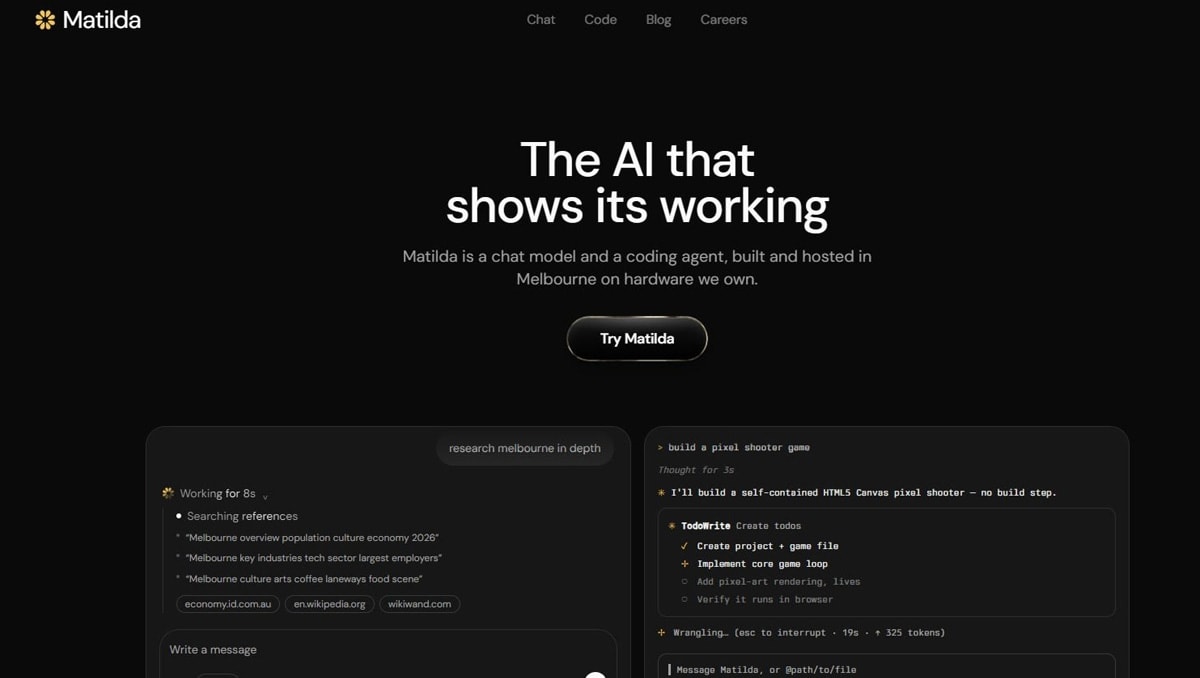
Melbourne start-up Maincode announces widespread access to Matilda AI coding agent
Matched: Australia
Melbourne start-up Maincode has opened its AI coding agent Matilda to wider beta access. The Australian-made chat model and coding agent was previously in limited release before the company announced broader community availability. Maincode is based in Melbourne.
ANZ SMEs adopt AI widely, but trust lags, Arctic Wolf report finds
Matched: Australia
Australian and New Zealand small and midsize businesses are rapidly adopting AI, but trust in the technology remains limited, particularly for autonomous cybersecurity decision-making, according to a report by Arctic Wolf. While uptake is high, many SMEs prefer human oversight when it comes to security, reflecting broader concerns about reliability and accountability in AI-driven systems.
What Our AI SOC Analyst Can Do (and What We Won’t Let It Do)
Huntress has introduced an AI SOC analyst called Athena that can autonomously investigate security threats and take actions, but operates within boundaries defined by human analysts. The system is designed to handle routine security operations work while keeping humans in control of key decisions, illustrating how the company is approaching governance around agentic AI in cybersecurity contexts.
How We Cut Noise Before It Hits the Analyst
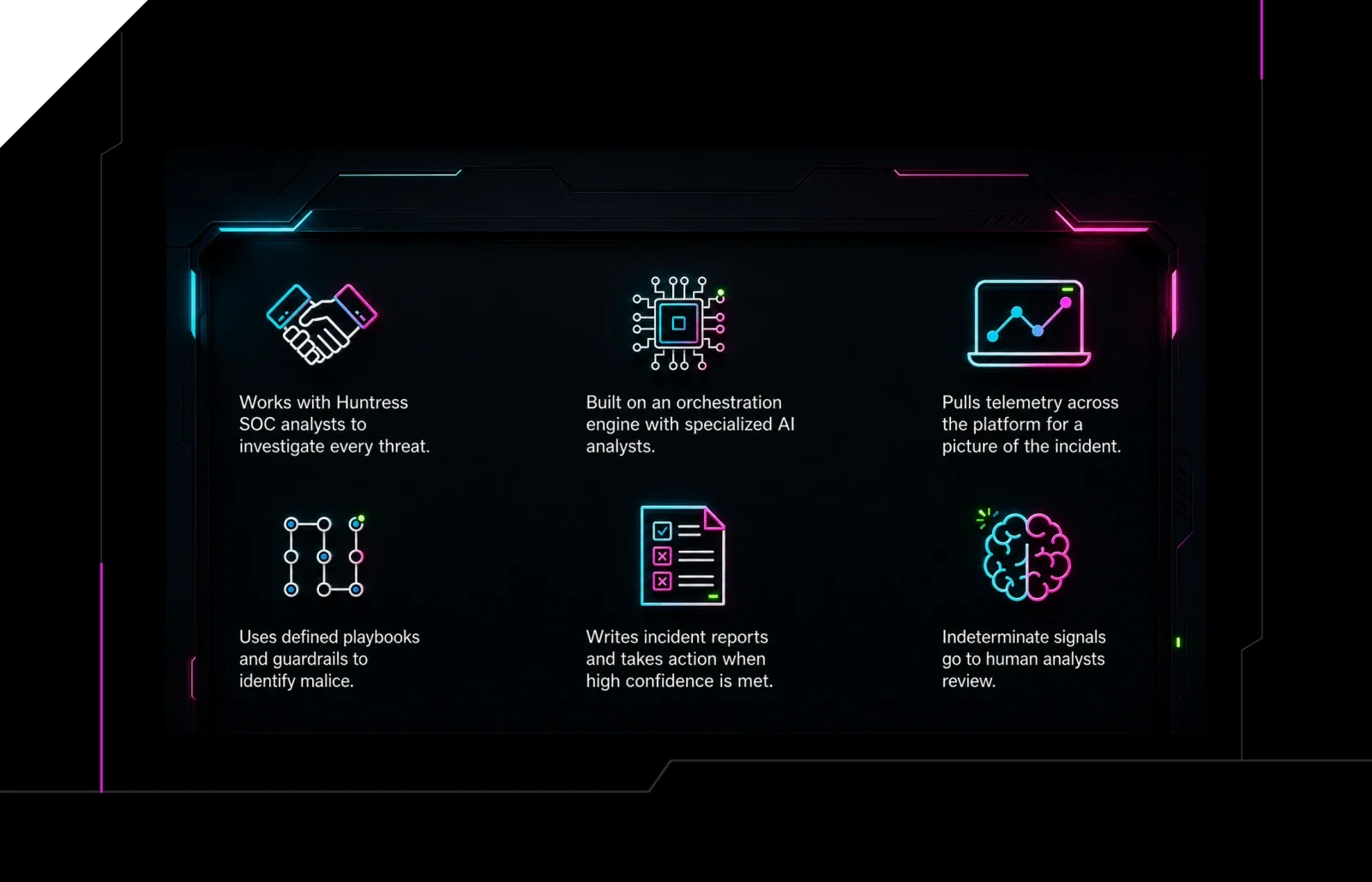
Huntress uses AI-driven triage to filter out low-priority alerts before they reach human analysts. By automating the sorting of incoming signals, the system reduces noise and lets analysts focus on genuine threats. This approach is designed to improve response times and reduce alert fatigue, making security operations more efficient without overwhelming staff with false positives or routine notifications.
Meet Athena: Huntress' Agentic SOC Analyst
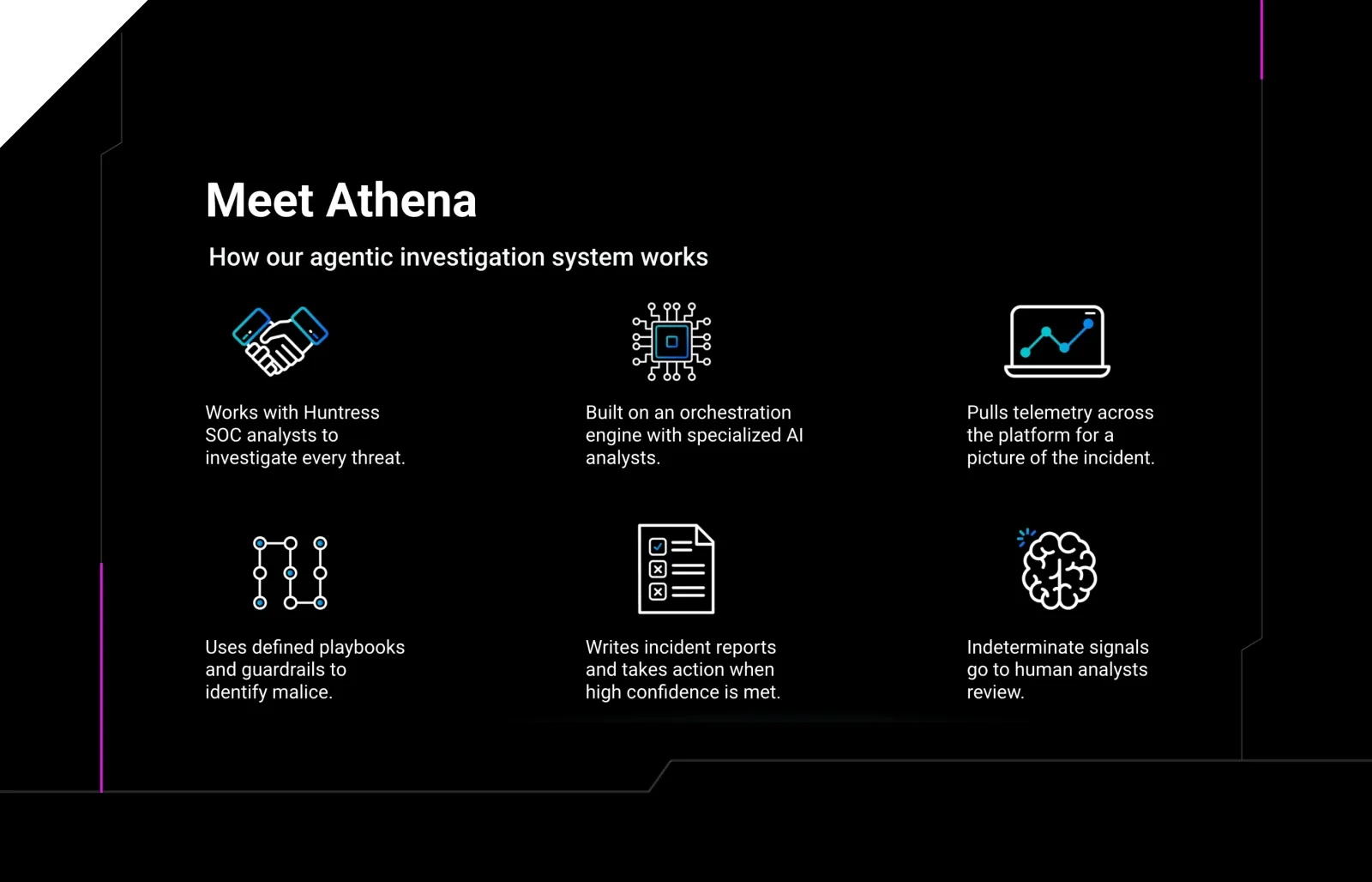
Huntress has launched Athena, an AI-powered SOC analyst that autonomously investigates security signals end-to-end. Athena handles triage and analysis tasks typically done by human analysts, aiming to speed up threat detection and response. Human analysts retain final decision-making authority. The tool is designed to reduce analyst workload and improve efficiency in security operations centers.
DigiCert survey finds 81% of Australian organisations hit by AI security incidents or vulnerabilities
Matched: Australia
A DigiCert survey found that 81% of Australian organisations have experienced an AI-related security incident or identified AI-related vulnerabilities. The findings suggest AI security risks are already a widespread concern among Australian enterprises, highlighting the growing challenge businesses face in managing threats introduced or amplified by artificial intelligence adoption.