
Cybersecurity News
Filters

Exclusive: Partnered Health responds to Inc Ransom data breach claims
Matched: Australia, health
Australian GP network Partnered Health is responding to claims by cyber extortion group Inc Ransom, which alleges it stole terabytes of data from the organisation. At least 21 clinics may be affected. Partnered Health has not confirmed the breach but is investigating. Inc Ransom typically publishes stolen data if ransom demands go unmet.

Hackers Turned a Trusted Advertising Platform Into a Crypto-Stealer Delivery Network
Matched: cryptocurrency
Adform, an ad tech firm serving ~14,000 businesses, suffered a supply chain attack where hackers hijacked a widely used JavaScript file within its infrastructure to distribute cryptocurrency-stealing malware. Researcher Kevin Beaumont uncovered the breach, which exploited the platform's trusted ad-serving network to reach victims. Adform holds nearly 30% of the demand-side platform market, amplifying the attack's potential reach.

Hackers Poison Adform Script to Swap Crypto Wallet Addresses Across Customer Sites
Matched: cryptocurrency
Attackers modified a JavaScript file from ad tech firm Adform to silently replace cryptocurrency wallet addresses in users' browsers. The malicious script, active on July 27, 2026, targeted Bitcoin and other crypto addresses copied by visitors to affected sites. Adform detected and removed the code the same day, notified clients, and reported the incident to authorities. Users who transacted on July 27 should verify their wallet addresses.

FBI And Allies Warn of North Korean IT Workers Using Stolen Identities
Matched: Australia
The FBI, U.S. State Department, and allied nations including Japan, Canada, Germany, Australia, the UK, and South Korea have jointly warned that North Korean IT workers are infiltrating private companies using stolen identities, forged documents, and proxy networks. The advisory urges firms worldwide to strengthen hiring verification processes to detect and prevent such infiltration.
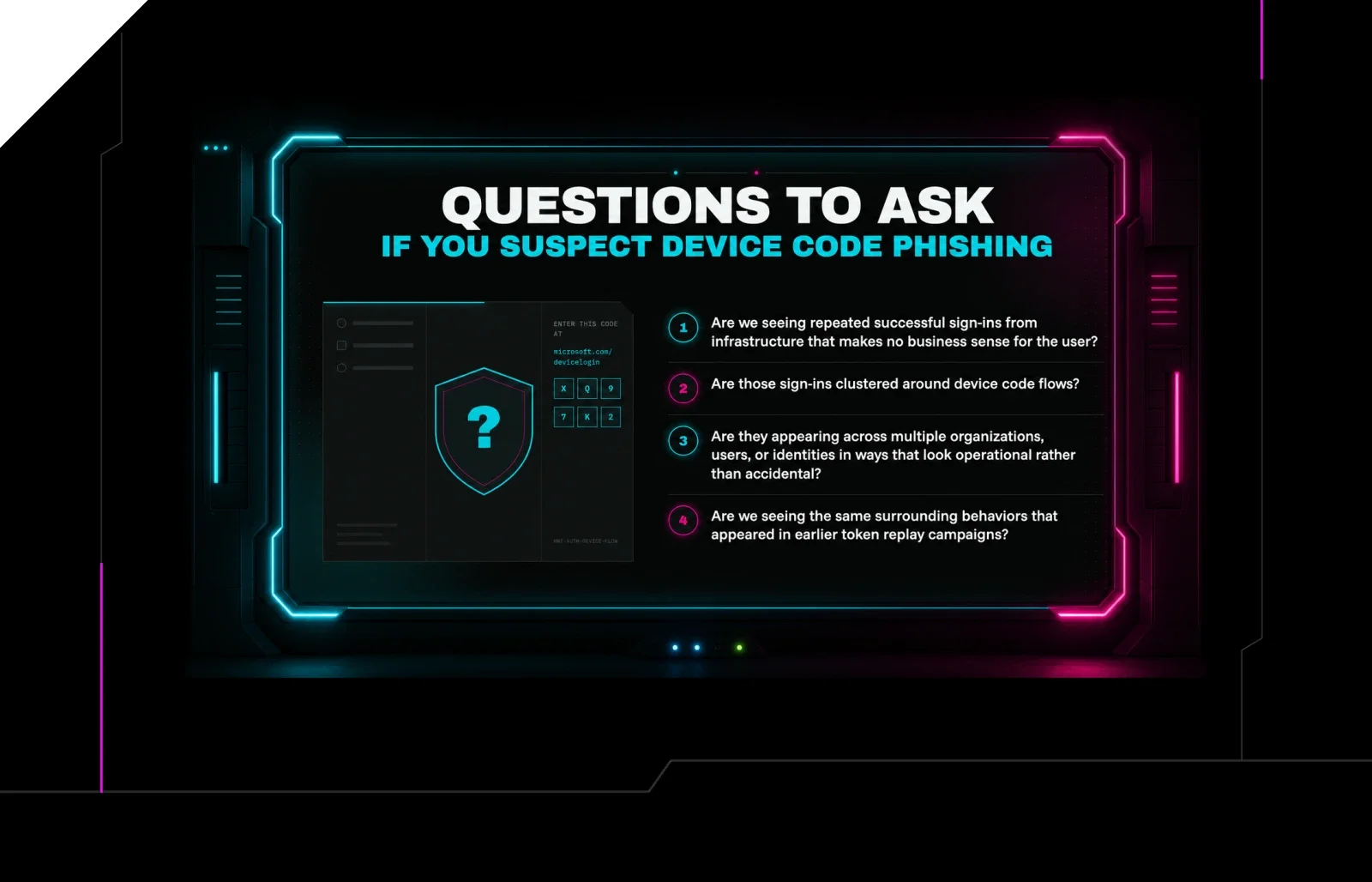
Device Code Phishing Keeps Evolving. Here’s What to Watch For
Attackers are abusing Microsoft 365's device code authentication flow to steal tokens without needing credentials. Victims are tricked into entering attacker-generated codes at legitimate Microsoft login pages, granting persistent access. The technique bypasses MFA and leaves minimal obvious indicators. Huntress advises monitoring for unusual device code authentication requests, unexpected token grants, and sign-ins from unfamiliar locations or clients.

North Korean EtherHiding Campaign Targets Crypto Wallets and Developer Credentials
Matched: cryptocurrency
North Korean hackers are using fake macOS update screens to deploy malware targeting cryptocurrency wallets, browser data, and developer credentials. The campaign uses a ClickFix-style lure that makes browser pages appear broken, prompting users to run malicious commands. Entry points include routine web searches, making the attack difficult to detect.

Report: Nearly half of Australians experienced cyber crime in 2025
Matched: Australia
Nearly half of Australians were affected by cybercrime in 2025, though overall victimisation rates fell slightly from the previous year, according to the Australian Cybercrime Survey. Online scams continued to rise despite the broader decline. Underreporting remains a significant concern, with most incidents never flagged to authorities, limiting the ability to fully assess the scale of the problem.
ASPI launches AI and Security Program to tackle national security challenges
Matched: Australia
Australia's Strategic Policy Institute has launched an AI and Security Program to research how artificial intelligence affects national security. The program will focus on cyber threats, critical infrastructure protection, defence sector AI adoption, and international AI governance frameworks.

ACMA takes Optus to Federal Court over September 2025 Triple Zero outage
Matched: Australia
Australia's communications regulator ACMA has launched Federal Court action against Optus over its handling of a September 2025 network outage, alleging the telco breached legal obligations related to Triple Zero emergency call access during the disruption.

Huntress hits an inflection point
Huntress CEO Kyle Hanslovan says the cybersecurity firm is at a strategic turning point, scaling its research-driven approach while integrating AI with human oversight to counter faster, automated threats. The company is also expanding its partner network to extend protection to more small and mid-sized businesses increasingly targeted by sophisticated cyberattacks.

Incident Response Plans: What to Include & Why They Matter
Organizations need incident response plans to minimize damage during cyberattacks. Key components include defined roles, communication protocols, detection and containment procedures, recovery steps, and post-incident analysis. Without a plan, response times slow and costs rise. Huntress helps by providing threat detection, guided remediation, and support that keeps businesses prepared before, during, and after security incidents.

$250M ARR Was Never the Goal. It Came From Staying True to Our Mission.
Huntress CEO Kyle Hanslovan says reaching $250M ARR was a byproduct of staying focused on the company's core mission: protecting small and mid-sized businesses often overlooked by the cybersecurity industry. He credits the milestone to consistency of purpose rather than chasing revenue targets, and emphasizes that the mission to defend the "99%" remains the company's top priority going forward.

Hacker Summer Camp: What First-Timers Actually Need to Know | Huntress
Annual Las Vegas security conferences DEF CON, Black Hat, and BSides attract thousands of cybersecurity professionals. First-timers should plan ahead: book hotels early, wear comfortable shoes, stay hydrated, and budget carefully. Operationally, use burner devices or hardened gear on the network, avoid ATMs on the strip, and expect crowds and long lines. Engage with the community, attend talks early, and explore villages and side events for hands-on experience.
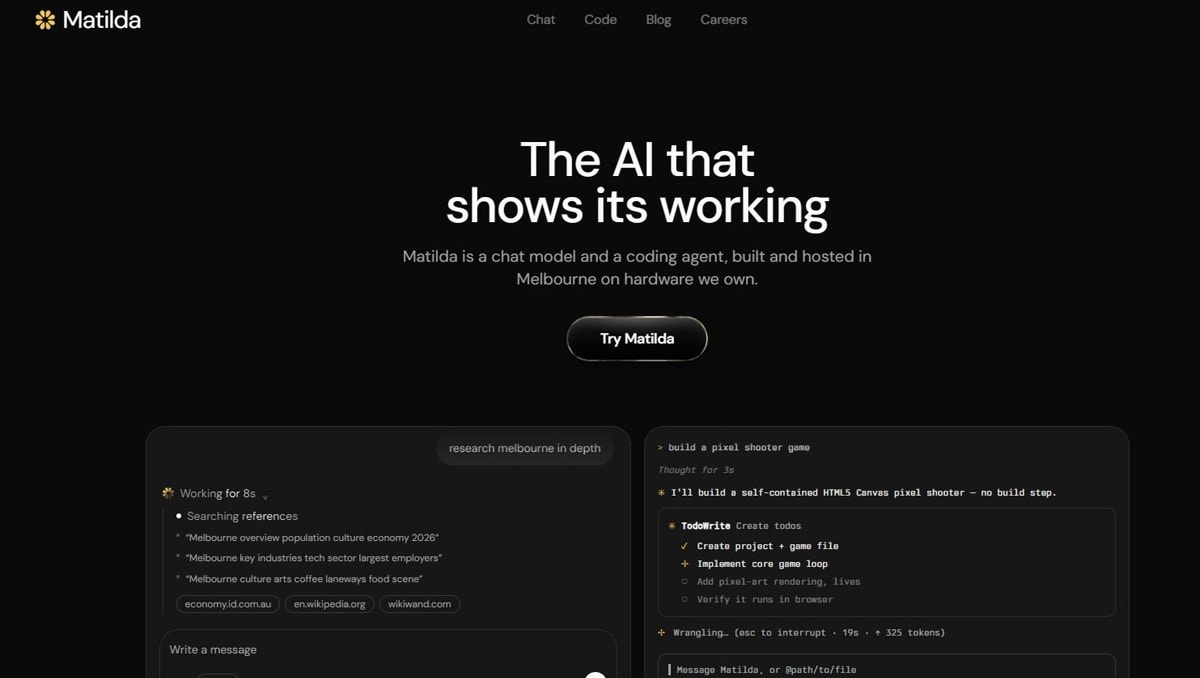
Melbourne start-up Maincode announces widespread access to Matilda AI coding agent
Matched: Australia
Melbourne start-up Maincode has opened its AI coding agent Matilda to wider beta access. The Australian-made chat model and coding agent was previously in limited release before the company announced broader community availability. Maincode is based in Melbourne.

ACMA takes Optus to court over 2025 Triple Zero failures
Matched: Australia
Australia's communications regulator ACMA is taking Optus to court, alleging the telco breached its emergency call obligations more than 1,000 times during a network outage in September 2025. The action centres on failures to connect customers to Triple Zero during the disruption.

Australia’s eSafety Commissioner sues Telegram over terror content
Matched: Australia
Australia's eSafety Commissioner is suing Telegram after a year-long investigation found the platform failed to comply with the Online Safety Act. The regulator alleges Telegram did not adequately respond to requests for information about how it handles terrorist and violent extremist content on its platform.

Musk's X says Australia social media ban crackdown undermines international law
Matched: Australia
X has criticised Australia's proposed social media restrictions, arguing they undermine international law. The company took particular aim at the country's eSafety Commissioner, pushing back against regulatory efforts to enforce content and age-based restrictions on platforms. Australia has been pursuing stricter online safety measures, including a ban on social media for children under 16.

Reverse Engineering the Six Stages of MacSync Stealer and RAT
Researchers reverse-engineered MacSync, a six-stage macOS malware combining stealer and remote access trojan capabilities. The sample was recovered from attacker infrastructure after the compromised host went offline. Analysis traced its execution chain across all six stages, revealing how it exfiltrates data and maintains remote access on infected machines.
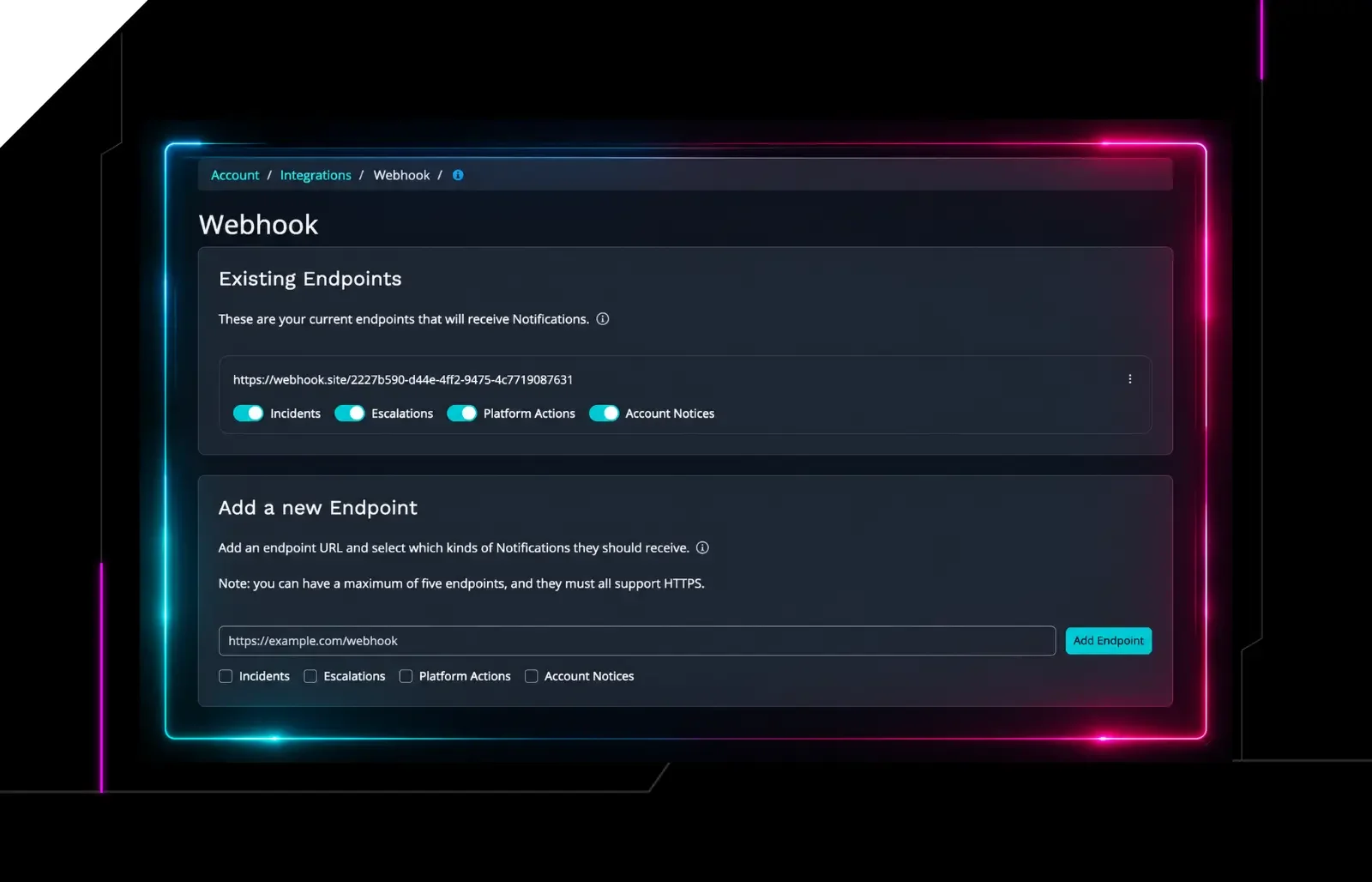
Introducing Huntress Webhooks. Get Real-Time Security Alerts.
Huntress has launched a webhooks feature that delivers real-time security alerts directly to tools like Slack, PSA platforms, or SIEMs. Unlike polling-based methods, webhooks push incident and escalation notifications instantly. The feature is designed for quick setup, giving security teams faster visibility into threats without manual checking or delays.
ANZ SMEs adopt AI widely, but trust lags, Arctic Wolf report finds
Matched: Australia
Australian and New Zealand small and midsize businesses are rapidly adopting AI, but trust in the technology remains limited, particularly for autonomous cybersecurity decision-making, according to a report by Arctic Wolf. While uptake is high, many SMEs prefer human oversight when it comes to security, reflecting broader concerns about reliability and accountability in AI-driven systems.
Credential Stuffing Campaign Hits SonicWall | Huntress SOC Tracking
Huntress's SOC is tracking an active credential stuffing campaign targeting SonicWall devices that has compromised dozens of organizations since July 25. Attackers are using previously leaked credentials to gain unauthorized access. Affected organizations span multiple sectors. Huntress recommends enabling multi-factor authentication, reviewing VPN access logs, and resetting credentials on all SonicWall devices as precautionary measures.

Amazon's Leo proposes satellite constellation for direct-to-phone service
Matched: Australia
Amazon's Project Kuiper has proposed a satellite constellation called Leo to provide direct-to-smartphone connectivity, competing with SpaceX's Starlink and AST SpaceMobile in the growing direct-to-device market. Amazon has partnered with Australian broadband provider NBN Co as part of the initiative.

ASD to critical infrastructure ops: be ready to isolate systems for three months
Matched: Australia
Australia's Australian Signals Directorate has issued new technical guidance urging critical infrastructure operators to prepare for the possibility of isolating their systems for up to three months following a cyberattack. The advice targets essential services sectors and focuses on building resilience and recovery capabilities to maintain operations even when disconnected from broader networks.
27th July – Threat Intelligence Report
Nichirei, a Japanese frozen-food and logistics company, suffered a ransomware attack disrupting shipping operations and affecting around 5,000 customers, with KFC Japan warning of possible shortages. Personal data theft was confirmed. The incident is among several attacks and breaches covered in Check Point Research's Threat Intelligence Bulletin for the week of 27th July.
What Our AI SOC Analyst Can Do (and What We Won’t Let It Do)
Huntress has introduced an AI SOC analyst called Athena that can autonomously investigate security threats and take actions, but operates within boundaries defined by human analysts. The system is designed to handle routine security operations work while keeping humans in control of key decisions, illustrating how the company is approaching governance around agentic AI in cybersecurity contexts.