
Cybersecurity News
Filters
Filtered by tag: network security × Clear

Fortinet Urges Customers to Patch Critical Flaws Affecting FortiOS, FortiManager, and FortiAnalyzer
Matched: OpenAI
Fortinet is urging customers to apply security updates releasing October 22 for FortiOS, FortiManager, FortiAnalyzer, FortiMail, and FortiAuthenticator, addressing critical and high-severity vulnerabilities. The company warns against treating patches as routine, noting attackers can use AI-assisted patch diffing to build exploits within hours. Public advisories will follow on November 10, but Fortinet asks customers to act immediately, prioritizing internet-facing devices.

Australian Cybersecurity Magazine
ACSC warns of actively exploited vulnerabilities in Citrix NetScaler products
Matched: Australia
Australia's ACSC has issued a critical alert warning organisations using Citrix NetScaler ADC and NetScaler Gateway about multiple newly disclosed vulnerabilities that are being actively exploited. Affected users are urged to apply patches immediately to reduce the risk of compromise.

Why "I approve" can become the most dangerous button in enterprise AI
Enterprises rushing to deploy autonomous AI agents risk creating accountability gaps when humans shift from active decision-makers to passive reviewers. Approval workflows can become meaningless rituals as alert volumes rise. AI agents acting on networks need governed identities, bounded permissions, and audit trails explaining not just actions but reasoning. Multi-agent chains compound traceability problems. Organizations should expand agent autonomy gradually, like junior employees earning access, backed by proper identity and observability infrastructure.

Education Under Attack: The Pattern Behind Recent University Breaches
Four university data breaches in early 2026 share a common cause: misconfigured systems rather than sophisticated hacking. Attackers exploited improperly secured cloud storage, exposed databases, and weak access controls. Higher education institutions are particularly vulnerable due to decentralized IT management and limited security budgets. Experts recommend regular configuration audits, stricter access policies, and centralized oversight to close the gap.

Credential Stuffing Campaign Hits SonicWall | Huntress SOC Tracking
Huntress's SOC is tracking an active credential stuffing campaign targeting SonicWall devices that has compromised dozens of organizations since July 25. Attackers are using previously leaked credentials to gain unauthorized access. Affected organizations span multiple sectors. Huntress recommends enabling multi-factor authentication, reviewing VPN access logs, and resetting credentials on all SonicWall devices as precautionary measures.
What Are Initial Access Brokers?
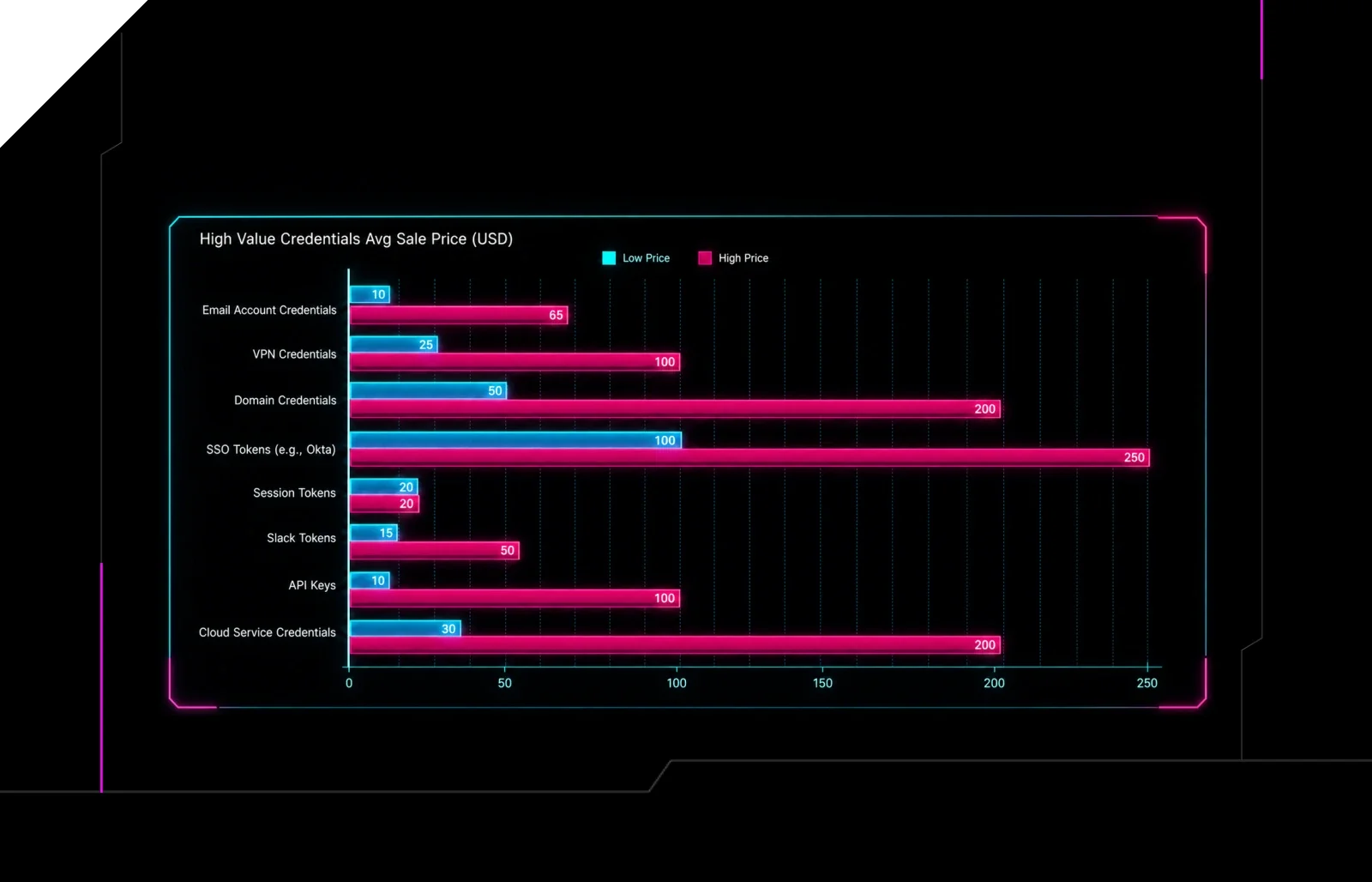
Initial access brokers are cybercriminals who specialize in breaking into corporate networks and selling that access to other attackers, such as ransomware groups, rather than exploiting it themselves. They typically gain entry through stolen credentials, phishing, or unpatched vulnerabilities. This division of labor has made cybercrime more efficient and increased the scale of attacks on businesses.

Australian critical infrastructure urged to tighten router security after Russian cyber warning
Matched: Australia
Australia's cyber security agency has joined international partners in warning critical infrastructure operators to strengthen the security of routers, firewalls and other network devices following alerts about Russian state-sponsored cyber threats. Operators are being urged to review configurations, apply patches and monitor for suspicious activity to reduce the risk of compromise to essential services.

Guide to System Hardening: Checklist & Best Practices [2026] | Huntress
System hardening reduces attack surfaces by securing configurations across hardware, software, and networks. Key practices include disabling unnecessary services and ports, applying patches promptly, enforcing least-privilege access, enabling multi-factor authentication, encrypting sensitive data, and auditing logs regularly. Following established frameworks like CIS Benchmarks helps organizations systematically identify and close security gaps before attackers can exploit them.