
Cybersecurity News
Filters
Filtered by tag: incident response × Clear
Boston Scientific says cyberattack is causing a ‘global disruption’ to medical device operations
Matched: medical
Boston Scientific confirmed a cyberattack causing global disruptions to IT systems and operations, filing an 8-K with the SEC. The incident has impacted order processing and shipping, with third-party cybersecurity experts brought in to assist. The attack type was not disclosed, though the disruption pattern suggests ransomware. No group has claimed responsibility, and no stolen data has been reported. Full restoration timeline remains unknown.
Cyber incidents hit 71% of Australian organisations as AI reshapes the threat landscape, MinterEllison report
Matched: Australia
Seven in ten Australian organisations suffered a cyber incident in the past year, according to MinterEllison's latest cyber risk report. AI is increasingly reshaping the threat landscape, enabling more sophisticated attacks. The findings highlight growing pressure on organisations to strengthen defences as incident rates reach record levels.
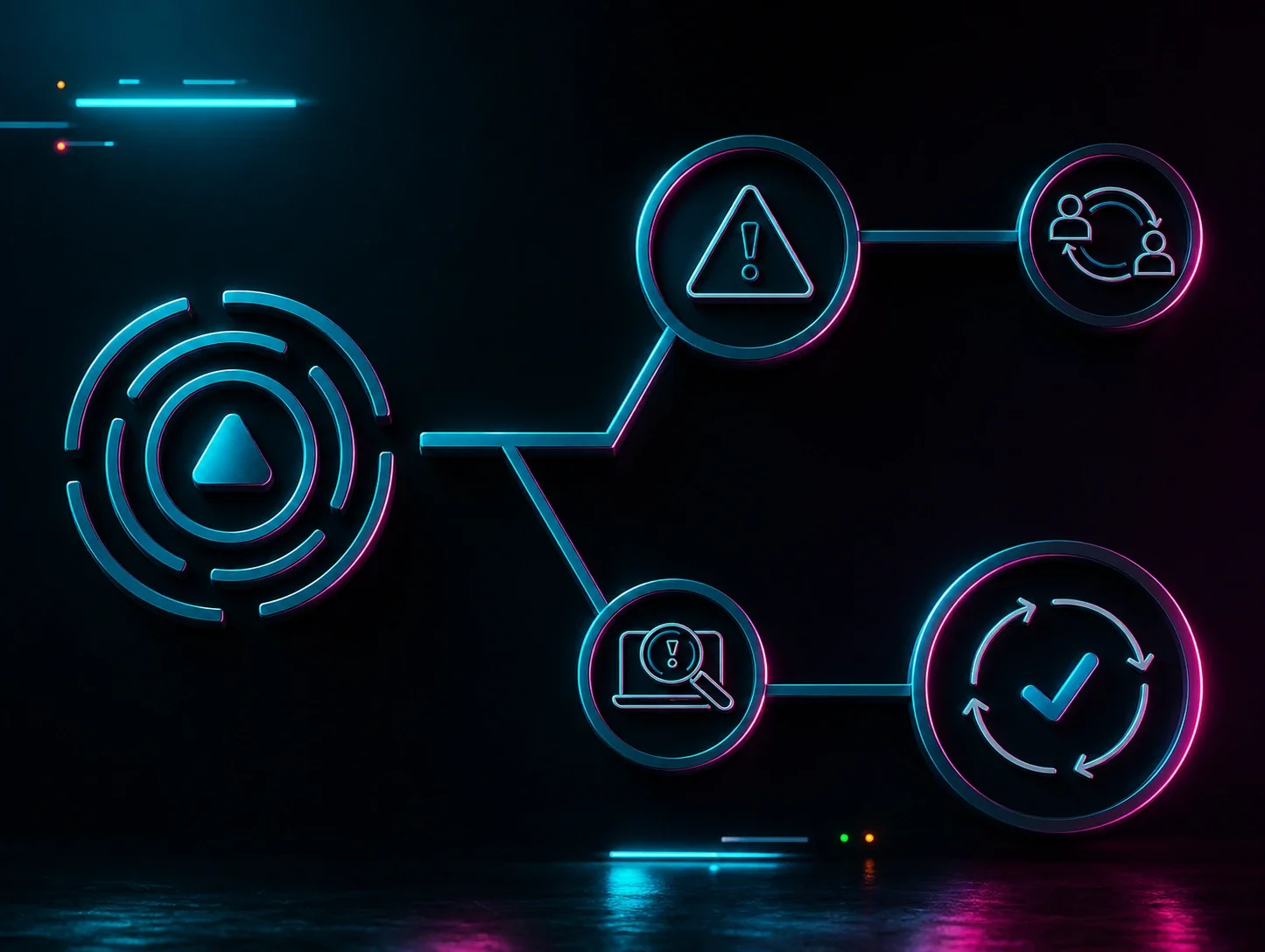
Incident Response Plans: What to Include & Why They Matter
Organizations need incident response plans to minimize damage during cyberattacks. Key components include defined roles, communication protocols, detection and containment procedures, recovery steps, and post-incident analysis. Without a plan, response times slow and costs rise. Huntress helps by providing threat detection, guided remediation, and support that keeps businesses prepared before, during, and after security incidents.
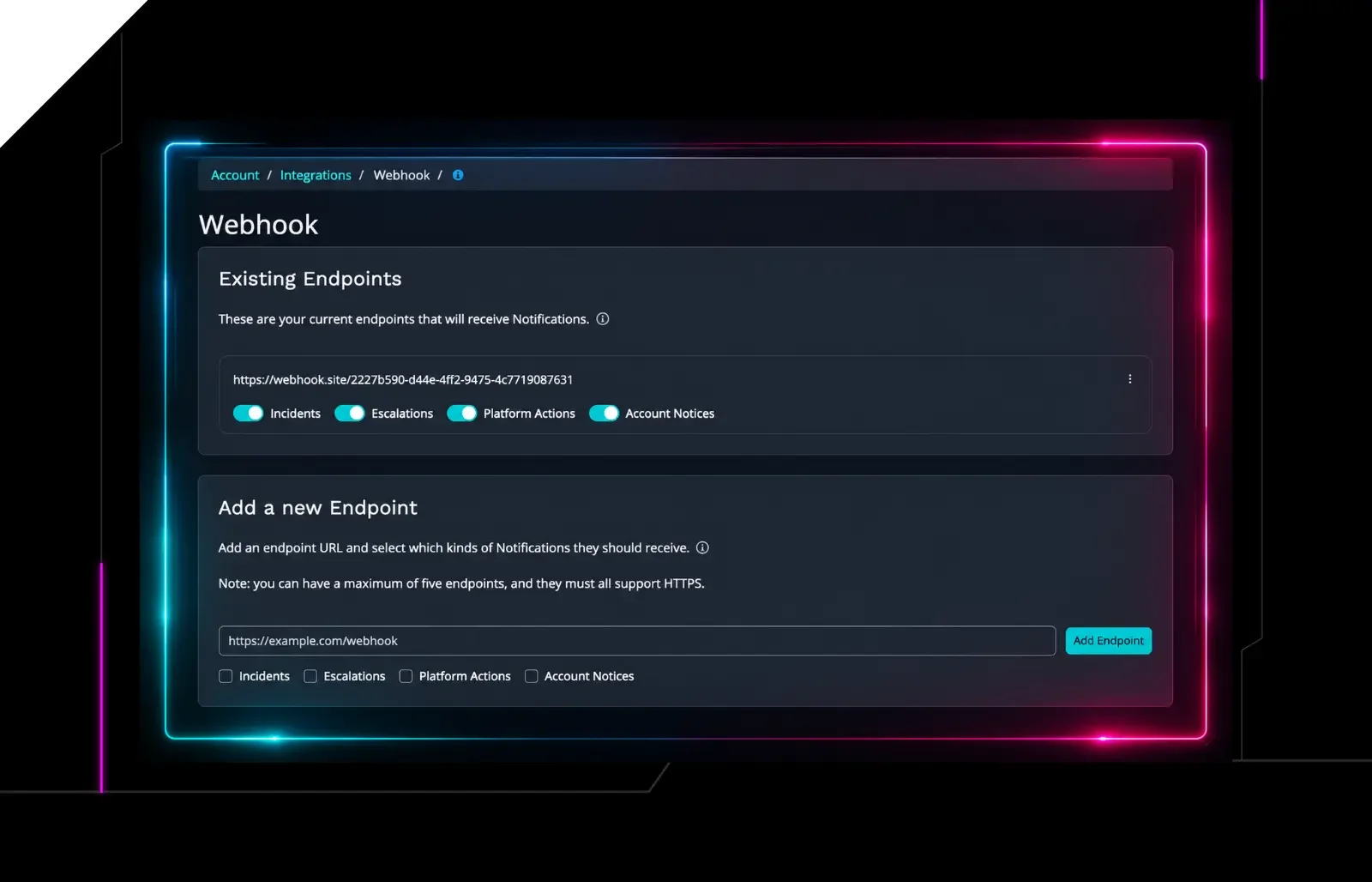
Introducing Huntress Webhooks. Get Real-Time Security Alerts.
Huntress has launched a webhooks feature that delivers real-time security alerts directly to tools like Slack, PSA platforms, or SIEMs. Unlike polling-based methods, webhooks push incident and escalation notifications instantly. The feature is designed for quick setup, giving security teams faster visibility into threats without manual checking or delays.
Every Ransomware Attack Has a Backstory
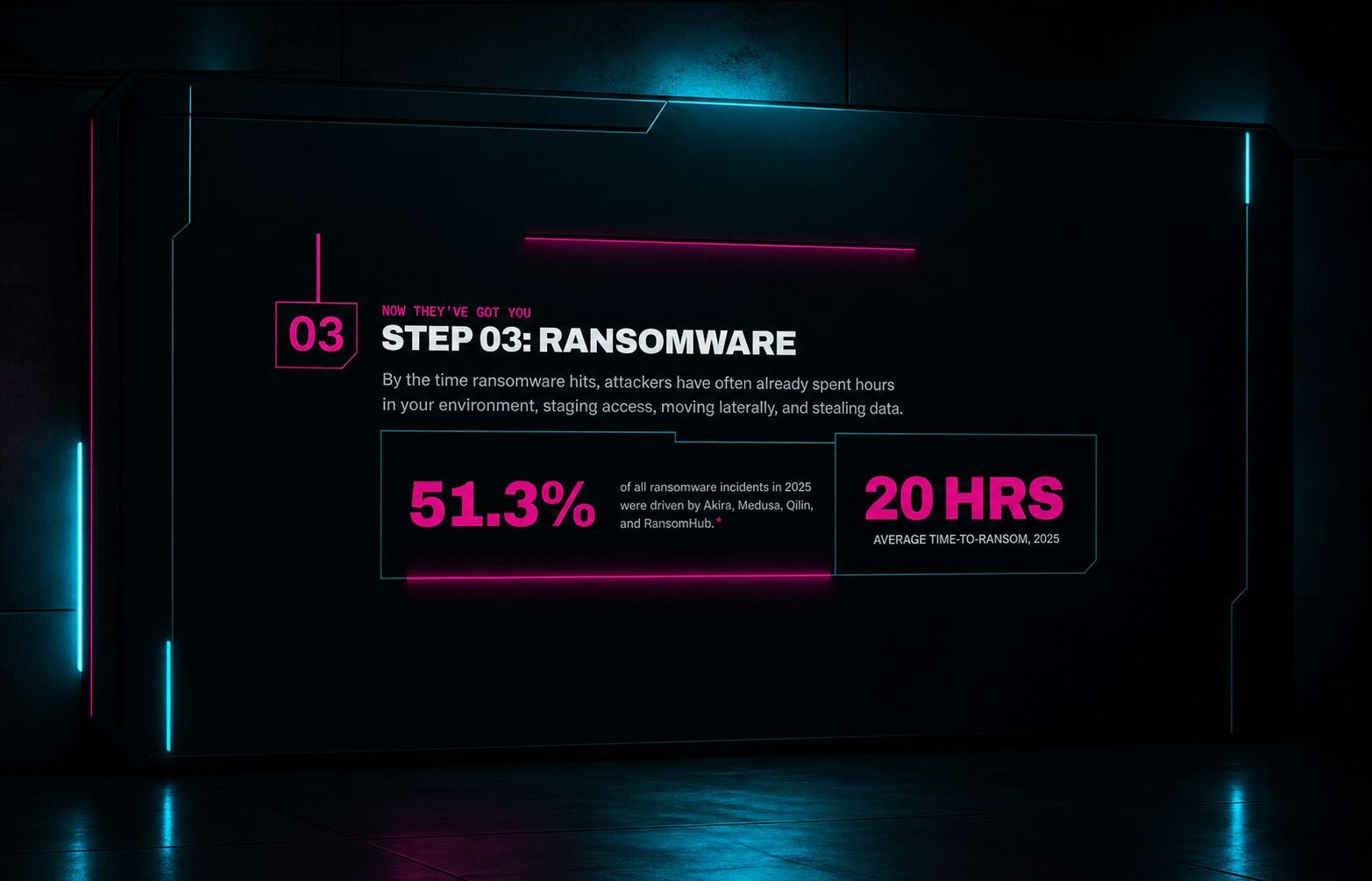
Ransomware attacks don't begin with encryption — they start long before, often with access brokers selling stolen credentials or network entry points to attackers. Criminals then use legitimate tools already present in the environment to move quietly through systems, avoiding detection. By the time ransomware deploys, attackers may have been inside for weeks. Stopping them requires catching intrusions early, before the final stage.
Lessons Learned from CISA’s Recent GitHub Leak
CISA released a postmortem after a contractor accidentally exposed dozens of internal credentials, including AWS GovCloud keys, in a public GitHub repository for nearly six months. The leak went undetected until KrebsOnSecurity notified the agency. Security experts say the incident highlights critical gaps in credential monitoring and third-party contractor oversight that all security teams should learn from.