
Cybersecurity News
Filters
Filtered by tag: privacy × Clear
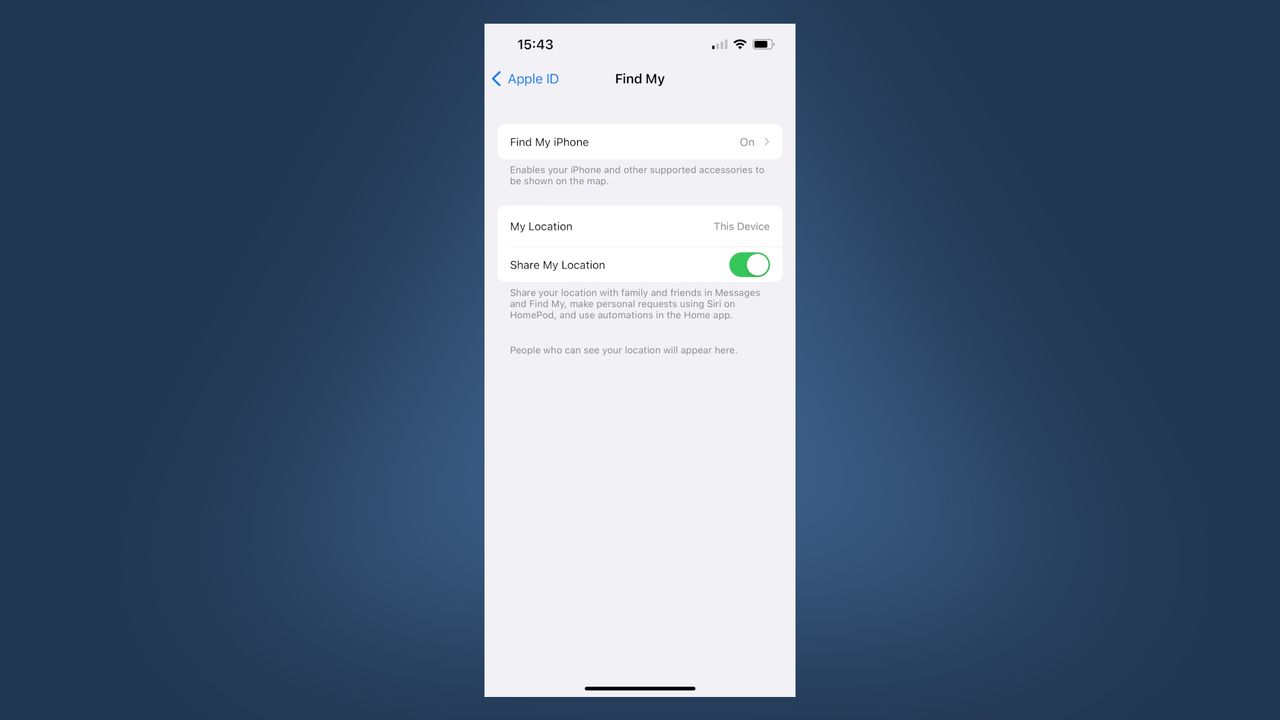
Security expert hijacks Apple's Find My network to share data with a Linux device
A security researcher registered a Linux machine as a trusted Apple device, gaining access to Find My location-sharing data normally restricted to Apple hardware. The technique required reverse-engineering Apple's private protocols, obtaining identity certificates, and registering the machine as a legitimate node — accomplished in under a week without jailbreaking or leaked keys. Critically, it still requires a contact's prior consent to share location and cannot silently track strangers. Apple has not responded to inquiries.

Target may have suffered another damaging data leak as hackers claim 8.6GB haul
Hackers claim to have stolen 8.6GB of data from Target, potentially exposing customer and employee information. The threat actor posted the alleged haul online, though their credibility is uncertain due to a history of dubious claims. Target has not confirmed a breach. Cybersecurity researchers are investigating, urging caution given the source's track record of exaggerating or fabricating leaks.

Healthtech firm CareCloud reveals March 2026 data breach impacted 3.7 million patients
Matched: health
Healthcare technology company CareCloud has disclosed a data breach that occurred in March 2026, affecting approximately 3.7 million patients. The company is notifying those impacted, though it has not revealed what specific types of patient information were compromised in the incident.

Over 9 million facial recognition images leaked in major breach at reverse image search and identity verification service
A facial recognition database belonging to ClarityCheck, a reverse image search and identity verification service, was left exposed, leaking over 9 million images. The breach was discovered by security researchers who notified the company, which subsequently secured the database. The incident raises serious privacy concerns given the sensitive biometric nature of the exposed data.
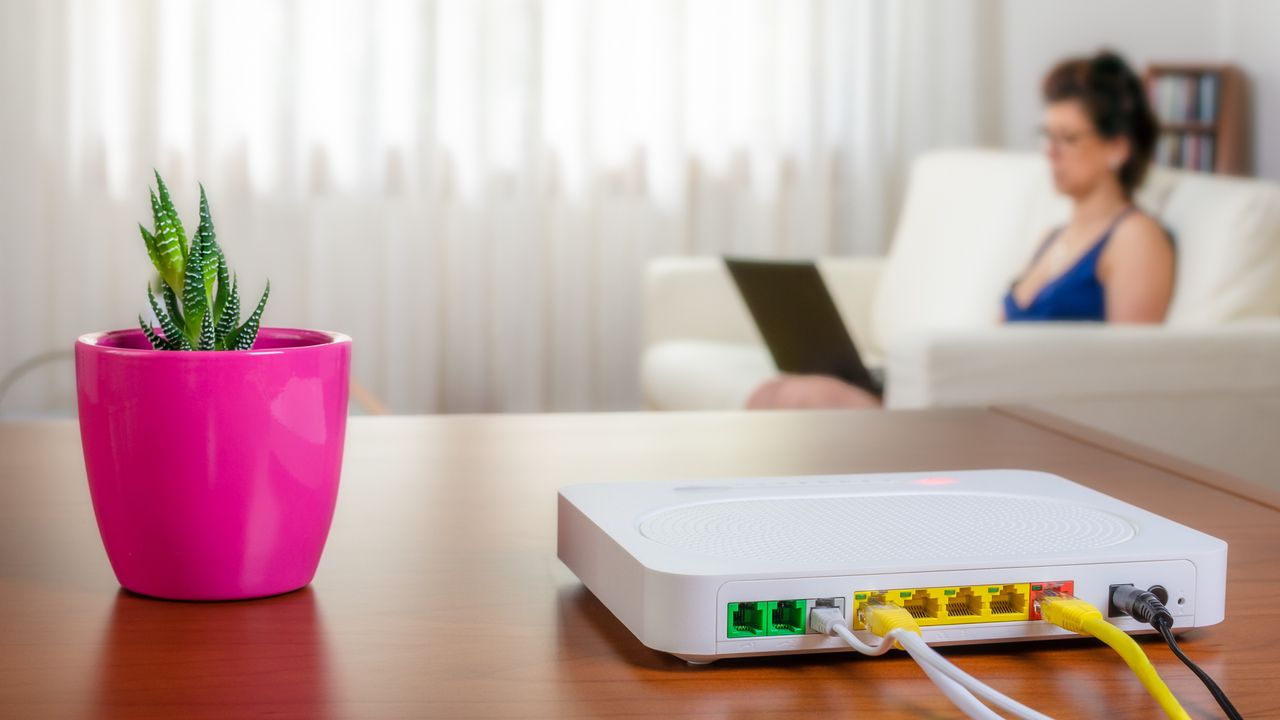
Comcast is adding motion detection to millions of routers, and I’m worried it’s a privacy nightmare
Comcast is rolling out motion-detection capabilities to its Xfinity routers using WiFi signals to sense movement in homes. The feature, which doesn't require cameras, works by analyzing wireless signal disruptions. Many customers are concerned about privacy, particularly around who can access the data and how it's stored. Comcast says the feature is opt-in and data stays local, but critics remain skeptical.
'This technology turns every router into a potential means for surveillance': Report claims Wi-Fi devices could 'quietly identify' people with nearly 100% accuracy
Researchers have demonstrated that standard Wi-Fi routers can identify individuals with nearly 100% accuracy by analyzing how their bodies disrupt wireless signals. Tested on 197 people, the technique requires no cameras or wearables. Privacy advocates warn this could enable covert mass surveillance through existing infrastructure, as virtually any Wi-Fi network could potentially be used to silently identify people.
The internet is becoming more stressful and unlikeable — with AI slop and data leaks to blame
AI-generated content and data breaches are making the internet increasingly unpleasant, pushing some users to disengage. Frustration with algorithmic feeds, privacy violations, and low-quality AI "slop" is growing, with a portion of users now saying they'd pay for an ad-free, algorithm-free online experience that doesn't harvest their personal data.

Updoc says a cyber incident may have exposed customer data
Matched: health
Australian telehealth provider Updoc has disclosed a cybersecurity incident that may have exposed customers' personal data. The company said it became aware of the breach and is investigating the extent of unauthorized access. Updoc offers 24/7 telehealth services and holds sensitive patient information, raising concerns about the nature of the data potentially accessed by threat actors.
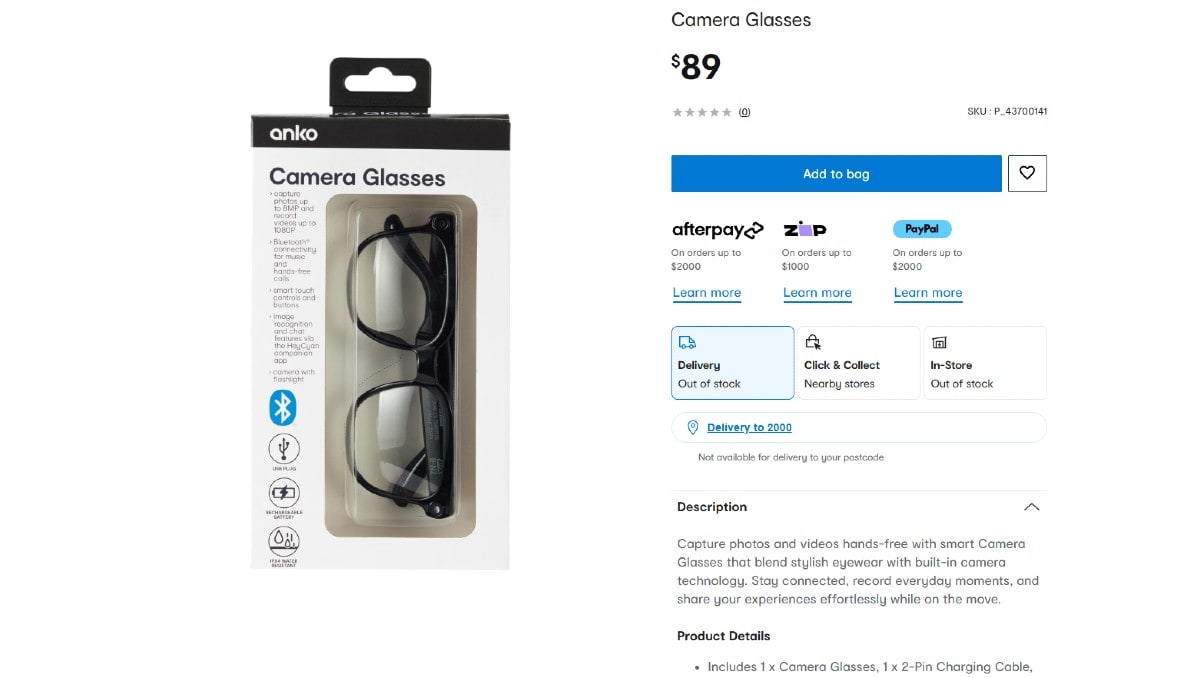
A glass darkly: Electronic Frontiers Australia calls for ban on best-selling Kmart smart glasses
Matched: Australia
Electronic Frontiers Australia is calling for a ban on smart glasses sold at Kmart, warning the devices pose serious privacy risks. Similar to Meta's Ray-Ban glasses, the products can discreetly record video and audio, raising concerns about covert surveillance, harassment, and facial recognition misuse. The digital rights group argues existing Australian privacy laws are insufficient to address the threat the glasses' growing popularity presents.

Exclusive: Japanese telco Sakura Mobile informs customers of data breach
Matched: Australia
Japanese telecommunications service Sakura Mobile, which caters to tourists and international residents including Australians, has notified customers of a data breach involving unauthorised access to limited customer data. The company says payment details were not affected. No further details about the breach's scope or cause have been publicly disclosed.
LG to Ban Residential Proxies from Smart TV Apps
LG Electronics USA plans to suspend smart TV apps that turn televisions into residential proxy nodes, following research revealing that over 42% of apps on its webOS store allow third parties to route internet traffic through users' TVs without their knowledge. The announcement comes less than a month after that research was published.