
Cybersecurity News
Filters

AI agents are inside the enterprise – are your security foundations ready for them?
As AI agents gain autonomous access to enterprise systems, data, and workflows, traditional software-level security measures are proving insufficient. Experts argue that organizations need hardware-level security foundations — including secure enclaves, trusted execution environments, and hardware attestation — to reliably verify agent identity, protect sensitive data, and prevent manipulation or compromise of increasingly autonomous AI systems.

Beware the token trap: Why saving on inference might put your ADLC at risk
Cutting inference costs by reducing tokens may seem efficient, but it can compromise AI-driven legal or compliance (ADLC) systems by stripping context needed for accurate outputs. Incomplete prompts increase error risk, potentially triggering regulatory violations or flawed decisions. Organizations must weigh token savings against the liability and operational costs of getting those outputs wrong.

China-Linked Jewelbug Uses XG-Web for Government Espionage and Crypto Fraud
Matched: cryptocurrency
China-linked threat actor Jewelbug conducts cyber espionage against governments and militaries while also running cryptocurrency fraud operations. Both activities are managed through a single control panel called XG-Web, a browser-based framework that converts victims' browsers into remote-control tools for data theft and access.

10 Hacker Summer Camp Standouts at Black Hat and DEF CON
Huntress researchers and analysts attended Black Hat and DEF CON, collectively known as Hacker Summer Camp, highlighting notable sessions and villages across both conferences. Key themes included offensive and defensive security techniques, hands-on villages, and emerging threat research. The events showcased community-driven learning and collaboration, with standout moments spanning panels, workshops, and demonstrations reflecting current cybersecurity challenges and innovations.

Exclusive: Australian truck trailer company Midland among dozens of victims listed by Cl0p cyber extortion group
Matched: Australia
Ransomware group Cl0p has listed over 40 victims in a single day, including major companies such as Philips, General Electric, Tristar, Shell, and Australian truck trailer manufacturer Midland. The prolific cyber extortion gang typically publishes victim details when ransom demands go unpaid, using the threat of data exposure as leverage.

World-first autonomous ‘end-to-end’ AI attack against Taiwan tied to Chinese hackers — and the scariest part is that it was fully open source
Chinese hackers carried out what researchers describe as the first fully autonomous, end-to-end AI-driven cyberattack, targeting Taiwan. The attack was linked to China through recovered written documentation. Notably, it was conducted entirely using open-source AI tools, raising concerns that sophisticated AI-powered cyberattacks are now accessible without proprietary or classified technology.

Microsoft's nemesis returns: Nightmare Eclipse is back with a new zero day which could be bad news for Windows users
A researcher known as Nightmare Eclipse has disclosed a new zero-day vulnerability in Windows, the tenth such release from this individual. The flaw was revealed shortly after Microsoft's Patch Tuesday update cycle, a pattern the researcher has repeated previously. The timing leaves Windows users potentially exposed before Microsoft can issue a fix.

Android users targeted by new WindRelay malware which can clone contactless cards in just 13 minutes
Cybercriminals are targeting Android users with malware called WindRelay, which can clone contactless payment cards in around 13 minutes. Attackers phone victims, trick them into installing the malicious app, then use it to capture card data via the phone's NFC chip. The stolen information is relayed to a criminal-controlled device to make fraudulent payments.

Education Under Attack: The Pattern Behind Recent University Breaches
Four university data breaches in early 2026 share a common cause: misconfigured systems rather than sophisticated hacking. Attackers exploited improperly secured cloud storage, exposed databases, and weak access controls. Higher education institutions are particularly vulnerable due to decentralized IT management and limited security budgets. Experts recommend regular configuration audits, stricter access policies, and centralized oversight to close the gap.
Bad news: your AI application isn't that special
Venture capitalists and tech observers warn that most AI-powered applications lack defensible advantages. As foundation models improve and become cheaper, thin wrappers around tools like ChatGPT face commoditization. Businesses building on top of AI without proprietary data, unique workflows, or deep integration risk being undercut by the model providers themselves or by better-funded competitors.
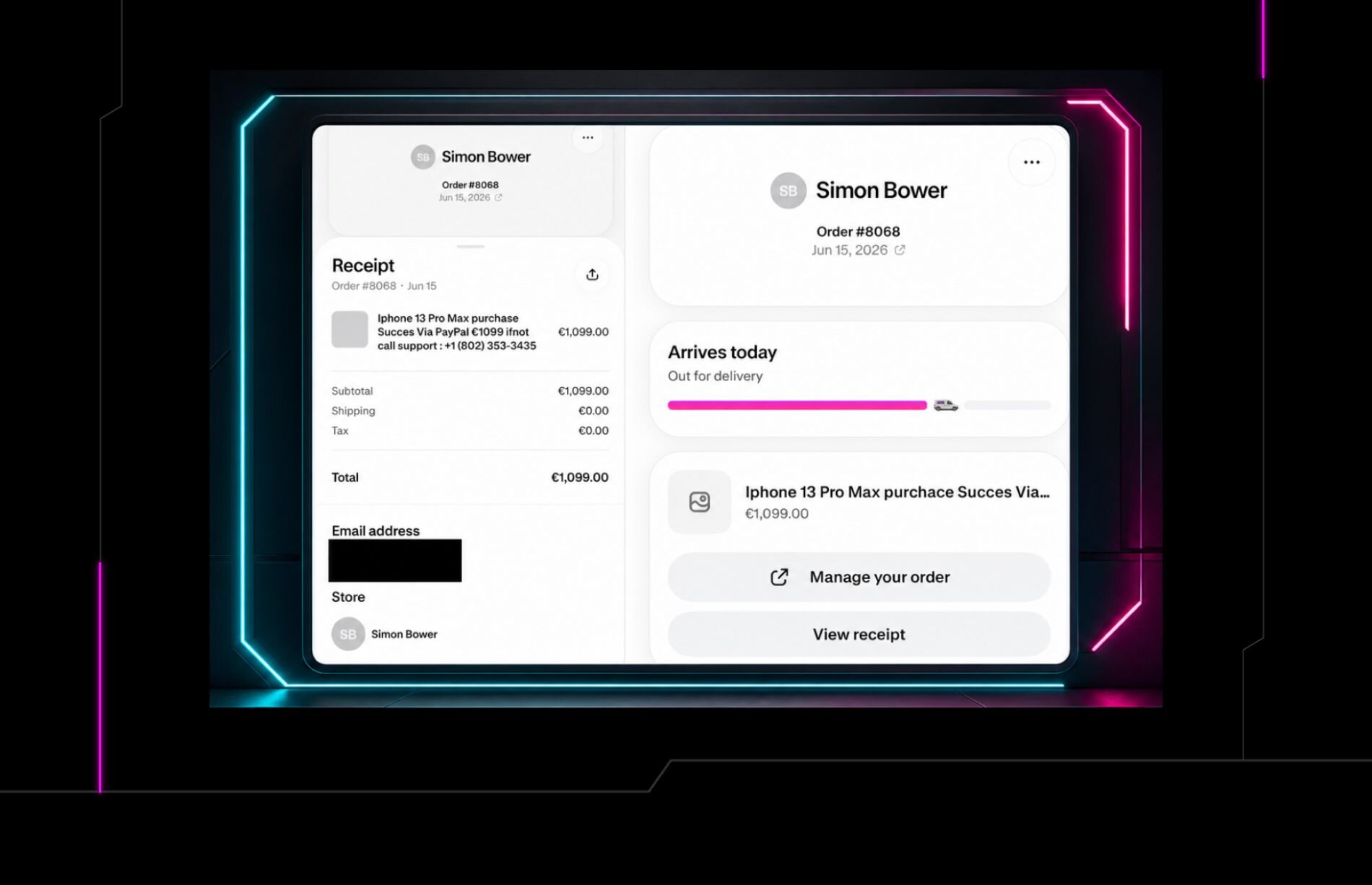
Fake Refund Scam Hits Shopify Shop App Users
Scammers are targeting users of Shopify's Shop app with fake refund schemes. The scam operates directly within the app, contacting users with fraudulent refund offers. The campaign has been active for several months. Users are advised to be cautious of unsolicited refund messages received through the platform and to verify any communications through official Shopify channels.

The State of Ransomware Q2 2026
Ransomware activity in Q2 2026 shows signs of shifting dynamics, according to Check Point Research. While dominant ransomware-as-a-service operations continue leading the space, the previously consolidating landscape is beginning to fragment. Established groups maintain their dominance, but emerging players are increasingly challenging the concentration of power that has defined the ransomware ecosystem over the past year.

'Jewelbug' APT Balances State Espionage & Cryptocurrency Theft
Matched: cryptocurrency
Researchers have identified a threat actor dubbed "Jewelbug," a hackers-for-hire group conducting both state-sponsored espionage and cryptocurrency theft through the same infrastructure. The dual-purpose operation — mixing intelligence gathering with financial crime — is unusual, suggesting the group serves government clients while simultaneously running independent profit-driven attacks, blurring the line between nation-state and cybercriminal activity.

Phantom Stealer Hides Inside PNG Files, Then Steals Your Passwords, Cookies and Crypto
Matched: cryptocurrency
Phantom Stealer is a credential-stealing malware that conceals malicious code inside PNG image files to avoid detection. Once executed on Windows systems, it harvests passwords, browser cookies, cryptocurrency wallet data, and other sensitive information. The malware has been used in campaigns targeting users across multiple countries.

De Stefano & Co expands into Melbourne as Victorian defence sector grows
Matched: Australia
Defence security advisory firm De Stefano & Co has opened a Melbourne office, its second in Australia, to capitalise on growing demand across Victoria's defence, aerospace, cyber security, and manufacturing sectors.
CBA bolsters AI investment as business lending sees major growth
Matched: Australia
CBA reported strong full-year results with business lending growing nearly twice as fast as home lending. The bank also announced increased investment in artificial intelligence as part of its broader strategy. No specific figures were provided in the headline details, but the results signal a notable shift in lending momentum toward commercial customers.

Superannuation peak body calls for advice reform as Aussies increasingly turn to AI over experts
Matched: Australia
Australia's superannuation peak body is calling for financial advice reform after a survey found more than a third of Australians have turned to AI chatbots for superannuation guidance. High costs are driving people away from professional advisers. The body warns this trend poses risks, as AI tools may not provide accurate or personalised financial advice, and is urging reforms to make expert advice more affordable and accessible.

Australia to make tech companies pay more outlets for content
Matched: Australia
Australia plans to update its media bargaining law to require tech companies to pay more news outlets for their content. The changes aim to expand the scope of existing legislation, ensuring a broader range of publishers can negotiate payment deals with platforms like Google and Meta. The move follows ongoing disputes over fair compensation for news content online.

Guide to Cybersecurity Budget Planning: How Much + How To | Huntress
Cybersecurity budget planning requires balancing protection needs against available resources. Businesses should assess risks, inventory assets, and prioritize spending on the most critical vulnerabilities. Common budget factors include tools, staff training, incident response, and compliance. Experts generally recommend allocating 10-15% of IT budgets to security, though this varies by industry, size, and risk exposure.
Akira Hits Safe Mode: Ransomware Rebooting Around EDR
An Akira ransomware affiliate attempted to bypass endpoint detection by rebooting a victim's system into Safe Mode, which prevents most security tools from loading. The tactic backfired when Safe Mode also blocked their own ransomware from executing properly. Researchers documented the full attack chain, highlighting how threat actors are adapting techniques against modern EDR solutions, sometimes with self-defeating results.
One in three ANZ organisations still pay ransomware demands, Commvault research says
Matched: Australia
One in three organisations in Australia and New Zealand still pay ransomware demands, according to Commvault research, despite uncertainty about whether data will be recovered or operations restored. The findings highlight ongoing vulnerabilities and suggest many organisations lack confidence in their ability to recover without meeting attackers' demands.

Most lenders are using AI, yet only 3% are data ready
Matched: Australia
A study has found that while most Australian lenders are actively implementing AI, only 3% have the data infrastructure needed to support it effectively. The findings highlight a significant gap between adoption ambition and operational readiness, raising concerns that lenders are deploying AI tools without the foundational data quality and governance required for reliable outcomes.

Report: Australia’s tech workforce shrinks for the first time on record
Matched: Australia
Australia's tech workforce has shrunk for the first time on record, according to the ACS Digital Pulse 2026 Report. While the sector continues contributing to economic growth, the decline in worker numbers is flagged as a significant risk. The report warns that without reversing the trend, the industry's capacity to grow and meet demand could be seriously undermined.

Equinix launches Managed Solutions in Australia
Matched: Australia
Equinix has launched Equinix Managed Solutions (EMS) in Australia, providing managed private cloud and infrastructure services. The offering targets organisations facing long hardware delivery times and rising equipment costs, allowing them to outsource infrastructure management. The service aims to help businesses scale without the complexity of managing physical infrastructure themselves.

Recorded Future’s Insikt Group reports 44% rise in high-impact CVEs in July
Matched: Australia
Recorded Future's Insikt Group recorded an 85 high-impact CVEs in July 2026, a 44% rise from the previous period. The report highlights vulnerabilities that organisations in Australia and New Zealand should prioritise for remediation, reflecting a growing threat landscape requiring urgent attention from security teams.